Welcome to the Start of Your Dream Garden with Ideal Works & Services LTD.
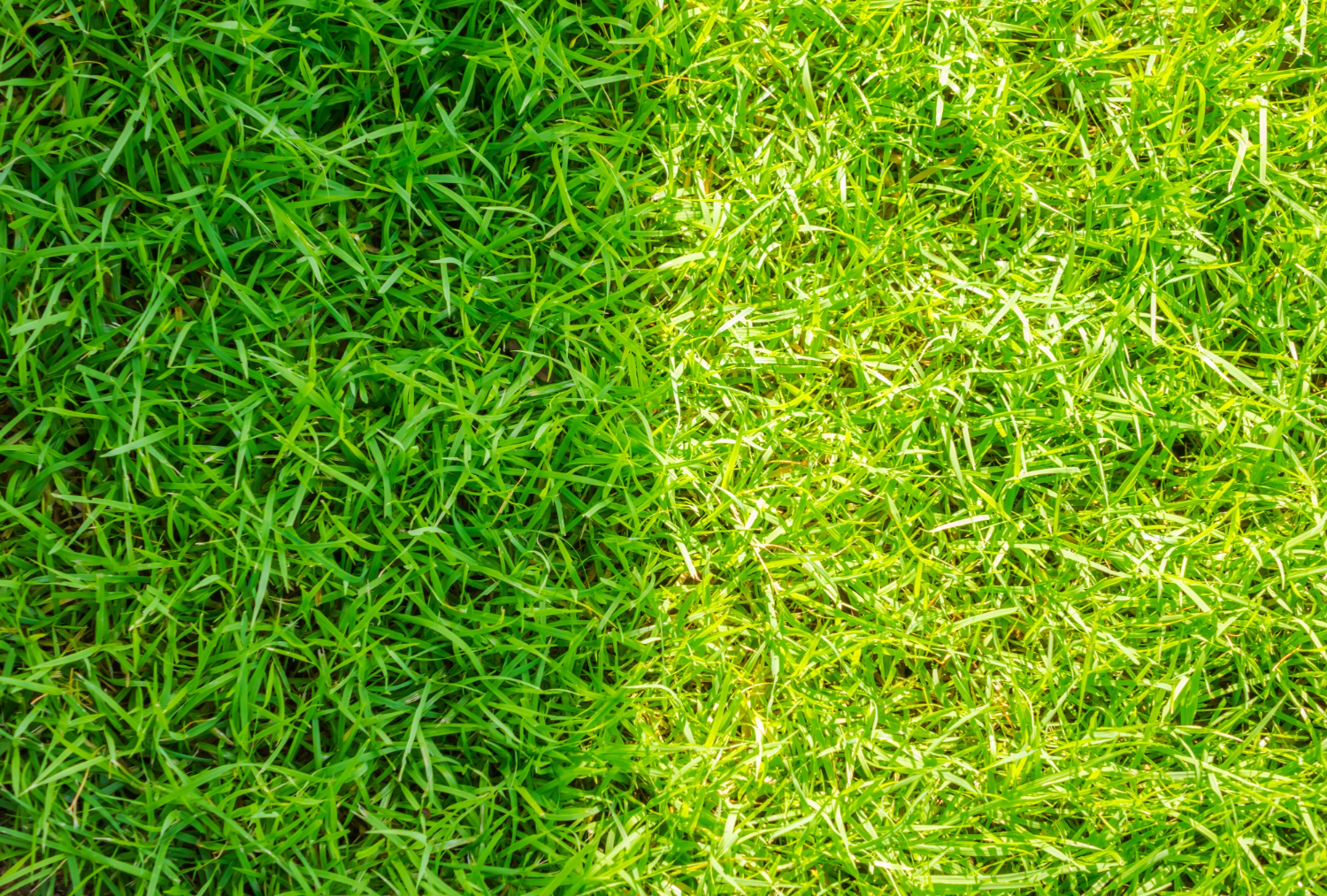
Artificial grass offers low maintenance, year-round appearance, and reduced watering needs, while real grass provides a natural feel, environmental benefits, and cooler outdoor surfaces. The best option depends on your budget, lifestyle, garden usage, maintenance preferences, and long-term landscaping goals.
Choosing between artificial grass and real grass is one of the biggest decisions homeowners face when improving outdoor spaces. Both options have advantages and disadvantages, and the right choice often depends on lifestyle, garden usage, maintenance expectations, and budget.
Some homeowners prefer the natural appearance and feel of real grass, while others choose artificial grass because of its low maintenance and year-round clean appearance. In recent years, artificial grass has become increasingly popular in UK gardens, particularly for busy families, rental properties, pet owners, and modern landscape designs.
At the same time, natural lawns continue to appeal to homeowners who enjoy gardening, biodiversity, and the authentic look of a living lawn. Humans remain deeply emotionally attached to grass, despite spending half the year complaining about mowing it.
Understanding the differences between artificial grass and real grass can help you make a better long-term investment for your property and outdoor lifestyle.
Artificial grass is a synthetic surface designed to replicate the appearance of natural grass. It is typically made from durable plastic fibres installed over a prepared sub-base with drainage layers and weed protection.
Modern artificial grass products are far more realistic than older versions and are now available in different colours, textures, pile heights, and softness levels.
Artificial grass is commonly used for:
Real grass is a natural living lawn grown from seed or turf. It requires soil, water, sunlight, nutrients, and regular maintenance to remain healthy and visually appealing.
Natural lawns are commonly used in domestic gardens, parks, sports fields, and traditional landscaping projects.
A healthy lawn can create a fresh and organic appearance, but maintaining it often requires significant time and effort throughout the year.
One of the biggest considerations for homeowners is appearance.
Modern artificial grass can look highly realistic when professionally installed. Premium products often include multiple colour tones, soft fibres, and natural-looking textures designed to imitate healthy lawns.
Artificial grass maintains its appearance throughout the year without developing muddy patches, weeds, or worn areas.
This makes it attractive for homeowners wanting a consistently neat garden.
However, some people still feel artificial grass lacks the completely natural texture and seasonal variation of real grass.
Natural grass offers an authentic appearance that changes with the seasons. Many homeowners appreciate the smell, texture, and organic look of a real lawn.
A healthy lawn can look beautiful during spring and summer, but poor weather, foot traffic, drought, or inadequate maintenance may affect its condition.
Real grass can also become patchy, muddy, or discoloured during colder months.
Maintenance is one of the main reasons many homeowners choose artificial grass.
Artificial grass requires significantly less maintenance than natural lawns.
Typical maintenance includes:
There is no need for mowing, watering, fertilising, or regular reseeding.
This makes artificial grass highly attractive for busy households and people wanting low-maintenance outdoor spaces.
Natural lawns require ongoing care to remain healthy.
Typical lawn maintenance includes:
Maintaining a healthy lawn throughout the year can require considerable time and effort, especially during warmer months.
Artificial grass is designed to withstand heavy foot traffic and changing weather conditions.
A professionally installed artificial lawn can last many years with proper care.
Artificial grass is especially useful for:
High-quality artificial grass products are resistant to wear, flattening, and fading.
Natural lawns can recover from some damage naturally, but heavy use may cause worn patches, mud, and uneven growth.
Gardens with children, pets, or regular gatherings often experience lawn deterioration more quickly.
Weather conditions can also affect grass durability, particularly during wet winters or dry summers.
Cost is often one of the biggest deciding factors.
Artificial grass generally involves higher upfront installation costs because of:
However, long-term maintenance costs are usually lower because there is no mowing, watering, fertilising, or lawn treatment required.
Natural turf installation is often cheaper initially.
However, long-term costs may increase due to:
Over several years, lawn upkeep can become expensive.
Modern artificial grass systems are designed with drainage holes and permeable sub-bases to allow water to drain effectively.
Professional installation is important because poor drainage preparation can lead to water pooling.
When correctly installed, artificial grass performs well in wet UK weather.
Natural grass absorbs water naturally and can support healthy soil systems.
However, poorly maintained lawns or clay-heavy soils may suffer from drainage issues, muddy areas, and waterlogging.
Excessive rainfall can damage heavily used lawns.
Environmental impact is an important factor for many homeowners.
Artificial grass does not require watering, pesticides, fertilisers, or petrol-powered lawnmowers, which may reduce some environmental impacts.
However, it is still a synthetic material made from plastics, and it does not support natural ecosystems in the same way as living grass.
Artificial lawns may also become warmer in direct sunlight.
Natural grass supports biodiversity, insects, and soil health while absorbing carbon dioxide and producing oxygen.
Real lawns can help cool outdoor environments naturally and improve rainwater absorption.
However, frequent watering, fertiliser use, and petrol-powered maintenance equipment can also create environmental concerns.
Artificial grass is popular among families because it creates a cleaner and more durable outdoor space.
Children can use the garden throughout the year without creating muddy patches or damaging the lawn easily.
Artificial lawns also reduce maintenance demands for busy households.
Some families prefer real grass because of its natural softness and environmental benefits.
Natural lawns can create a more traditional outdoor experience and may remain cooler during hot weather.
However, frequent use can lead to wear and muddy areas.
Pet owners often choose artificial grass because it is easier to clean and remains usable during wet weather.
Artificial grass can reduce muddy paw prints and worn lawn patches caused by pets running or digging.
Many modern artificial grass products are specifically designed for pet-friendly drainage and odour control.
Real grass can become damaged more quickly by pets, especially in smaller gardens with frequent use.
Artificial grass remains visually consistent throughout all seasons.
It does not become patchy during winter or dry out during summer.
This makes it ideal for homeowners wanting a permanently neat garden appearance.
Natural lawns change with seasonal weather conditions.
Grass growth may slow during winter and become dry during hot weather if not maintained properly.
Heavy rainfall can also affect lawn quality.
Modern artificial grass has become softer and more realistic than older products.
High-quality artificial grass can feel comfortable underfoot, especially with suitable underlay systems.
However, it may still feel different from natural grass.
Many homeowners prefer the natural softness, smell, and texture of real grass.
Natural lawns often feel cooler during warmer weather and provide a more traditional garden experience.
Artificial grass significantly reduces weed growth when installed correctly with proper membranes and edging.
However, occasional weeds may still appear around edges or airborne seeds.
Real grass requires regular weed management to maintain lawn quality and appearance.
Artificial grass is often highly suitable for small urban gardens because it maximises visual appearance while reducing maintenance.
Small London gardens, rental properties, and low-sunlight areas often benefit from artificial lawns.
Real grass can still work well in smaller spaces, but maintenance and wear may become more noticeable.
Well-installed artificial grass can improve kerb appeal and create cleaner-looking outdoor spaces, particularly in modern properties.
Low-maintenance landscaping is increasingly attractive to busy homeowners and landlords.
However, some buyers still strongly prefer natural lawns.
The best choice depends on your priorities.
Artificial grass may suit homeowners who want:
Real grass may suit homeowners who prefer:
There is no single perfect answer because every property and lifestyle is different.
Whether choosing artificial grass or natural turf, professional installation is essential for achieving long-lasting results.
Poor groundwork can lead to drainage problems, uneven surfaces, weed growth, and reduced durability.
Experienced landscaping professionals can help assess soil conditions, drainage requirements, garden usage, and the most suitable solution for your property.
Ideal Works provides landscaping and artificial grass installation services designed to help homeowners create practical and visually appealing outdoor spaces tailored to their garden requirements.
Artificial grass and real grass both offer unique advantages, and the best option depends on your budget, lifestyle, maintenance preferences, and garden goals.
Artificial grass is ideal for homeowners wanting a clean, durable, and low-maintenance outdoor surface that remains visually attractive throughout the year. It is especially useful for families, pet owners, rental properties, and busy households.
Real grass, on the other hand, provides a natural appearance, environmental benefits, and the authentic feel many homeowners still prefer.
Before making a decision, it is important to consider how the garden will be used, the level of maintenance you are comfortable with, drainage conditions, and long-term costs. Choosing the right landscaping solution can help create a more functional, attractive, and enjoyable outdoor space for years to come.
Artificial grass is better for low maintenance and year-round appearance, while real grass is better for a natural feel, biodiversity, and traditional garden aesthetics.
High-quality artificial grass can last many years when professionally installed and properly maintained.
Yes, artificial grass still requires occasional brushing, debris removal, and basic cleaning, but it needs far less maintenance than natural grass.
Real grass is usually cheaper to install initially, but long-term maintenance costs for mowing, watering, fertilising, and repairs can increase over time.
Yes, professionally installed artificial grass systems are designed with drainage layers and permeable materials to allow water to drain effectively.