
Welcome to the Start of Your Dream Garden with Ideal Works & Services LTD.
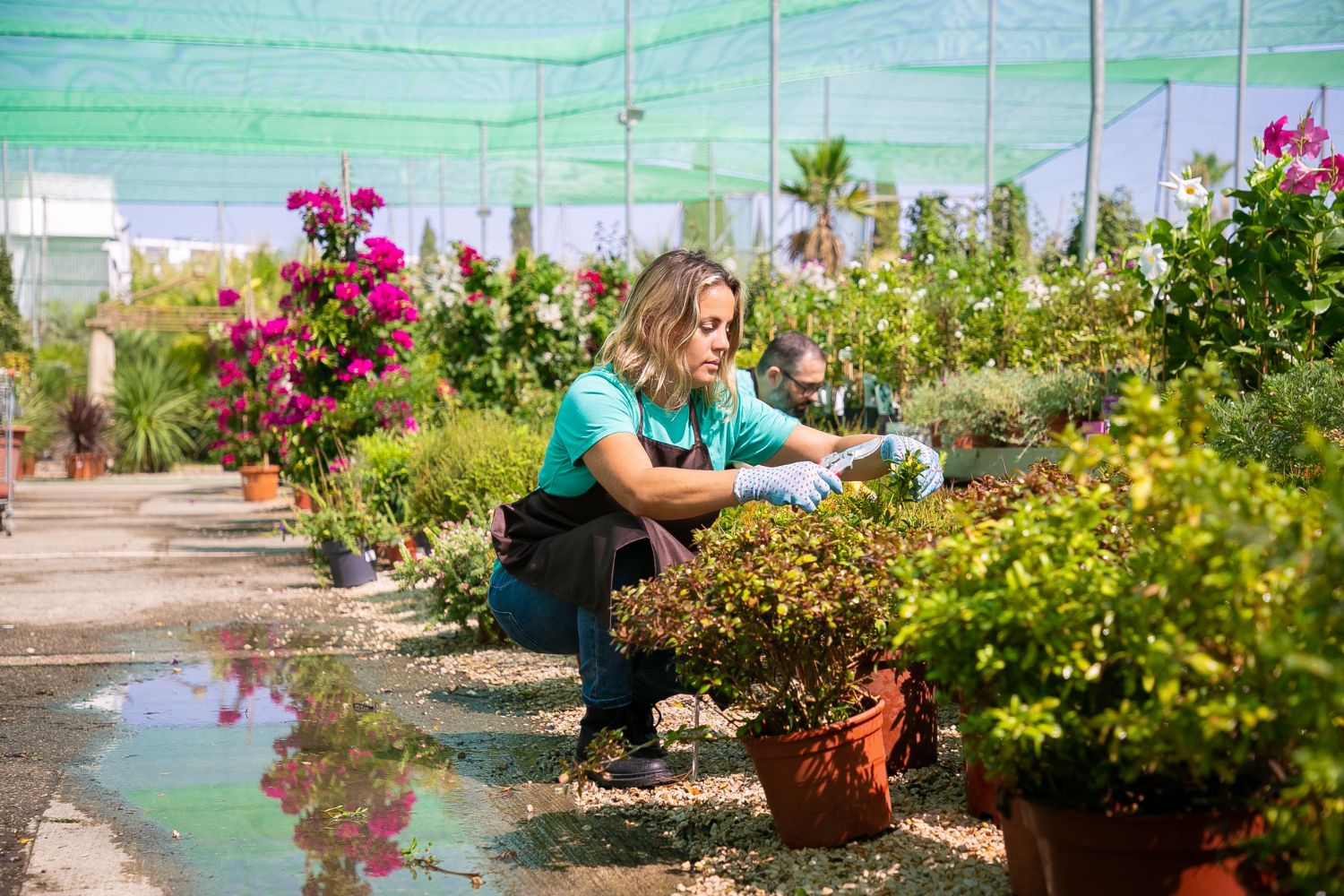
Gardening is one of the most rewarding and relaxing activities you can take up. It allows you to connect with nature, improve your outdoor space, and even grow your own fresh produce. Whether you have a large garden, a small backyard, or just a few containers, gardening techniques can be adapted to suit any space.
Starting can seem like a huge task because there’s so much to learn about growing plants. You have to decide which plant species will do best in your space, figure out when to plant them, and develop ways to maintain their health as they grow. The great thing is that gardening is not as difficult as it may seem. Just knowing a few basic things can allow you to grow flowers, herbs, vegetables, and shrubs successfully.
In this guide, we will discuss all the information you need to successfully begin your gardening experiences. You will learn how to prepare your site for planting as well as how to care for your plants during different seasons.
Do some research and understand your outdoor space before planting anything. Understand how much sunlight your garden will receive during the day. Some plants flourish in direct sunlight, while other plants will grow better in partial sun or complete shade.
Also, assess your soil type. Healthy soil is the key to growing a garden. Healthy soil can be made up of sandy soil that drains easily, while clay soils tend to hold moisture longer. The best soil is loamy, as it will maintain adequate moisture and provide the nutrients that are essential for plant growth.
Space availability should also be considered when deciding how to use your garden. If your area is small, container gardening may be the best way to utilise your area. If your area is larger, you can plant flower beds or vegetable patches, or a combination of both.
It’s essential to select the appropriate plants for both your experience level and environment. If you’re a beginner, it is helpful to select low-maintenance, easy-to-care-for plants. Some of the most suitable choices include:
These plants not only require minimal effort to maintain but will also grow quickly, allowing beginners to develop confidence in their ability to grow these types of plants.
When selecting what types of plants you would like to grow, it is advisable to select plants that are seasonal, as certain types of plants require warmer temperatures, while others are most productive during cooler temperatures.
Expensive gardening tools are not necessary to begin your gardening journey, but there are some useful supplies that can make it simple and enjoyable.
Here is a list of useful gardening tools:
Taking good care of your high-quality gardening tools will allow them to last for many years.
To grow healthy plants, start with healthy soil. Start by removing all weeds, rocks, and old roots from that area. Loosen the area of soil with a fork or spade to promote easier root growth. Mix compost or organic materials into your soil to improve its quality. Compost and organic material will add nutrients to the soil and help retain the moisture of the soil at the appropriate level. If planting in pots or containers, use high-quality potting soil rather than regular garden soil.
Gardening is largely dependent on watering.
Watering too much can lead to root rot due to overwatering, while insufficient watering can cause plants to dry out.
A guideline for watering is to water deeply and less frequently to allow the roots of the plant to extend deeper into the ground.
The ideal time for watering is either very early in the morning or later in the evening since this decreases the amount of water lost through evaporation.
It is advisable to check the soil just before watering. Usually, if there is no moisture at least one inch below the surface, it is time to add water to the plants.
You can start gardening using either seeds or young plants. Seeds tend to be less expensive and have a greater variety than young plants, but will take longer to grow and will require greater amounts of care than young plants do.
Since they are already growing and are usually much sturdier than seeds, young plants are generally simpler for new gardeners to use than seeds. Therefore, many first-time gardeners start with a combination of both seeds and young plants.
In order for plants to thrive, they require nutrients. Fertiliser provides them with needed nutrients, particularly during the growing season. Fertilisers vary in types:
Always check the directions before using any type of fertiliser because excess use could cause harm to the plants.
The removal of nutrients, sunlight, and water from your plants by weeds is a fact. Therefore, it is important to regularly remove weeds before they expand.
Additionally, there are insects, like slugs, snails, aphids, and caterpillars that can wreak havoc on your plants.
Ways to control pests include:
By maintaining a healthy plant, you are increasing its chances of resisting pests and disease.
Performing regular maintenance on your garden not only keeps it nice and tidy but also helps your plants to grow healthier.
By removing dead flowers, leaves, and branches from your plants, you will be able to promote new growth to your plants.
If you have overgrown plants or shrubs, you should consider trimming them back to maintain their shape.
Make sure to check your garden regularly in order to find problems early.
Gardening is an easy and fun way to add beauty, fresh air, and even food to your life. You will be able to create a successful and beautiful garden by learning the essentials, picking the correct plants, and nurturing them properly. Take small steps while being consistent, and you will be able to see your garden develop from year to year.