
Welcome to the Start of Your Dream Garden with Ideal Works & Services LTD.
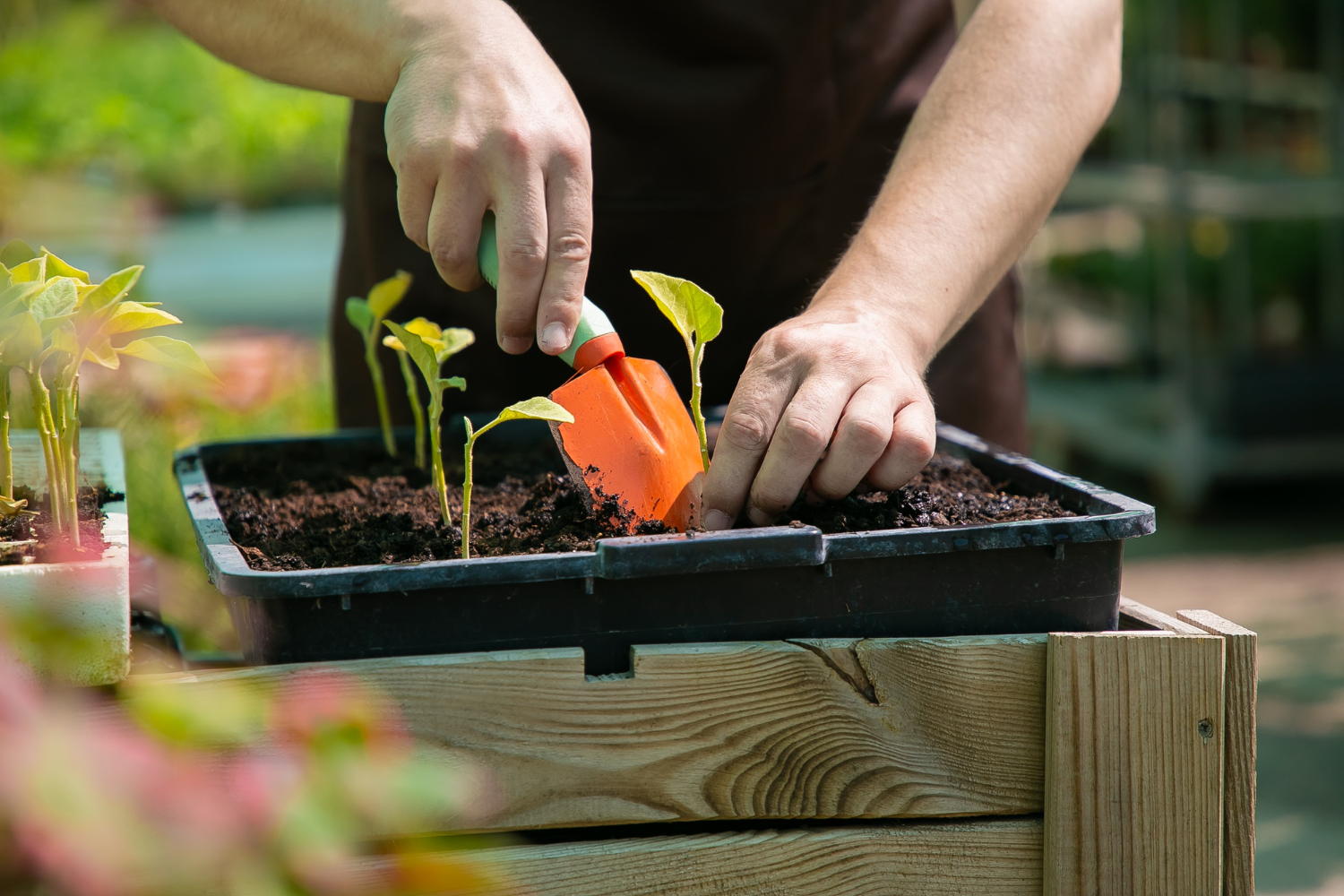
Starting your own garden may seem simple at first because you plant seeds, water them, and wait for their growth. However, in reality, new gardeners can encounter problems that make them feel confused or discouraged. Even with effort, your crops may fail to grow, leaves may turn yellow, and entire beds can struggle due to common mistakes that are frequently overlooked during the process.
By understanding these gardening errors and their causes, you can avoid them and save your time, money and a lot of trials in the garden. This guide explains the most common mistakes beginners make and offers practical tips to fix them.
One of the main mistakes new gardeners make is planting too many plants. This happens because they buy seeds in large quantities and end up with more plants than they actually need. At first, it may seem like plants are growing well, but you may not notice the issue.
When the plant’s root system begins to reach full size, the main challenge starts. Every root system competes with nearby plants for water, nutrients, and space in the soil. As a result, the plants fail to mature appropriately and give unsatisfying results.
To prevent this common mistake, you have to consult the gardener who plants your crops. They will measure your garden space and label the plants to ensure you understand how much space each plant needs for healthy growth. Plus, they will explain how much space the roots can require. If the soil in your garden is poor, consider leaving extra space for your plants to grow.
Planting in a space where the sunlight does not reach is a common mistake made by the new gardener. All plants need a sufficient amount of sunlight for photosynthesis and for growth. Some plants like ferns and hostas may tolerate shade, but the plants that cannot survive without the sunlight, such as herbaceous perennial plants, are badly affected.
To avoid this challenge, make sure that your garden gets the environment it needs. Warm-weather plants, such as tomatoes, peppers, eggplant, and potatoes, need sunlight for eight hours a day. Conversely, cooler-weather plants like greens, lettuces, and cruciferous vegetables require at least 5 to 6 hours of sunlight.
It is important to always match your garden layout with the sunlight needs of plants. The best option for a new gardener is to observe the levels of shade in your garden, select plants accordingly, and monitor the conditions to make necessary adjustments.
Gardeners who plant too early or too late can face multiple issues in their garden. Planting too soon can give you crops that are vulnerable to late frosts and cold soil. On the other hand, waiting for long can also be detrimental because excessive heat can make plants weak and hinder their growth. They need more water and care to grow properly. This can lower your harvest before the plants even have a fair chance to grow properly.
Planting your garden at the wrong time can increase the chances of vulnerable crops. These mistakes can be avoided by knowing your local frost dates, monitoring soil temperatures, and making your planting schedule. Check the weather forecast and wait until the soil and air are right for planting.
Water is the basic need of plants to grow. If you are planting far away from the water source, it can put you in a difficult situation, because carrying heavy water cans or dragging a long pipe over the yard is inconvenient for you. As a result, the plants do not get the water they need.
You have to position your garden near a water source. However, if you choose to plant it far away from a water source for better sunlight exposure, make sure to dig a rain barrel nearby to collect water. This enables you, as a beginner, to water your garden thoroughly for healthy growth. Additionally, avoid sprinkling water on the leaves directly, as this can lead to disease.
When large quantities of the seeds are present, the new gardeners often sow all of them at once. While it may seem exciting, it creates multiple issues later on. It is important to understand that sowing seeds in smaller batches every few weeks with enough spacing between them. This way, you can grow a healthy garden and enjoy a good harvest
To avoid this issue, you should sow just a small amount of seeds according to your garden space. Leave space between the plants to increase their healthier growth.
New gardeners are unable to know when their plants are ready to harvest. They put their efforts into sowing, watering, or caring for their garden. But when the harvest season comes at the end of summer and autumn, they may neglect to pick crops regularly, or some may go on holiday. It is a challenging problem because neglecting the harvest at the right time can result in many issues.
Check your garden on a daily basis and harvest vegetables when they are ripe. If you are going out of town, tell someone to pick it up for you to prevent your plants from overripening, becoming bitter, or being damaged.
Many companies offer gardeners the products to make their gardening much easier, pest-free, and weed-free. New gardeners often buy chemical weed killers and pesticides without understanding their effects.
Some products are very harmful to wildlife and go against the chemical-free harvesting of your vegetables. Strong feeds and harsh weed killers can harm plants and beneficial insects; balance is key for a healthy garden.
Use natural and organic procedures to control weeds and pests. Before buying any product, research safe gardening products. You can keep your garden healthy and friendly to wildlife with different strategies like composting, hand weeding, and natural pest control.
Many gardeners take on the wasteland for their gardens that require cleaning. They try to clean the area by digging with their hands. However, using only your hands can be quite labour-intensive and may even lead to back pain.
Cleaning it with your hands is not necessary; it can be done by using better options. Use better options, such as weed suppressants or mulch, to cover the soil. It can decrease the weeds from growing in your garden.
Another important way to reduce is by using compost, seaweed, natural fibre carpets, plastic sheeting, and many other weed suppressants that help you to cover the soil.
Gardeners grow only standard vegetables like tomatoes, cucumbers, and peppers. While these are great options, sticking to just these vegetables can limit the variety and flavour they can enjoy. By not exploring unique heirloom varieties and uncommon plants, they are missing out on a more exciting and diverse harvest.
Both new and experienced gardeners must experiment with different types of vegetables, which can make the process of gardening more fun. It is good to grow vegetables that you have already tested and tried. However, the gardening process gives you the chance to try unusual plants such as achocha or cauliflower.
Both new and experienced gardeners must experiment with different types of vegetables, which can make the process of gardening more fun. It is good to grow vegetables that you have already tested and tried. However, the gardening process gives you the chance to try unusual plants such as achocha or cauliflower. Additionally, you will enjoy different flavours and meals.
New gardeners spend a lot of money on their garden at the start. They tend to spend more on items that are new to them, such as fancy gardening equipment, specialised clothing, plants, and magazine subscriptions. However, it is key to understand the gardening process first and learn where to allocate your budget.
It can be avoided by selecting a gardening book from the local library, which can help you in the process of gardening without spending money on it. Gardening tools that are mainly used and very helpful in the gardening process, such as the hori knife, garden fork, spade, Dutch hoe, and garden rake. These are the items for which spending can be worthwhile for gardening.
Gardening challenges often stem from common mistakes. To prevent these issues, focus on selecting the right plants, watering them properly, and ensuring they receive adequate sunlight and proper spacing. Remember, perfection on your first try is rarely possible. You need to be prepared to learn through keen observation, modifications, and determination. By avoiding these common pitfalls and being patient, you will see your plants grow.